The Rhythm of Highland Highlands: Quiet Paths of Southeast Asia
A narrative on water stewardship, morning mist rituals, and the restorative silence of volcanic mountain paths.
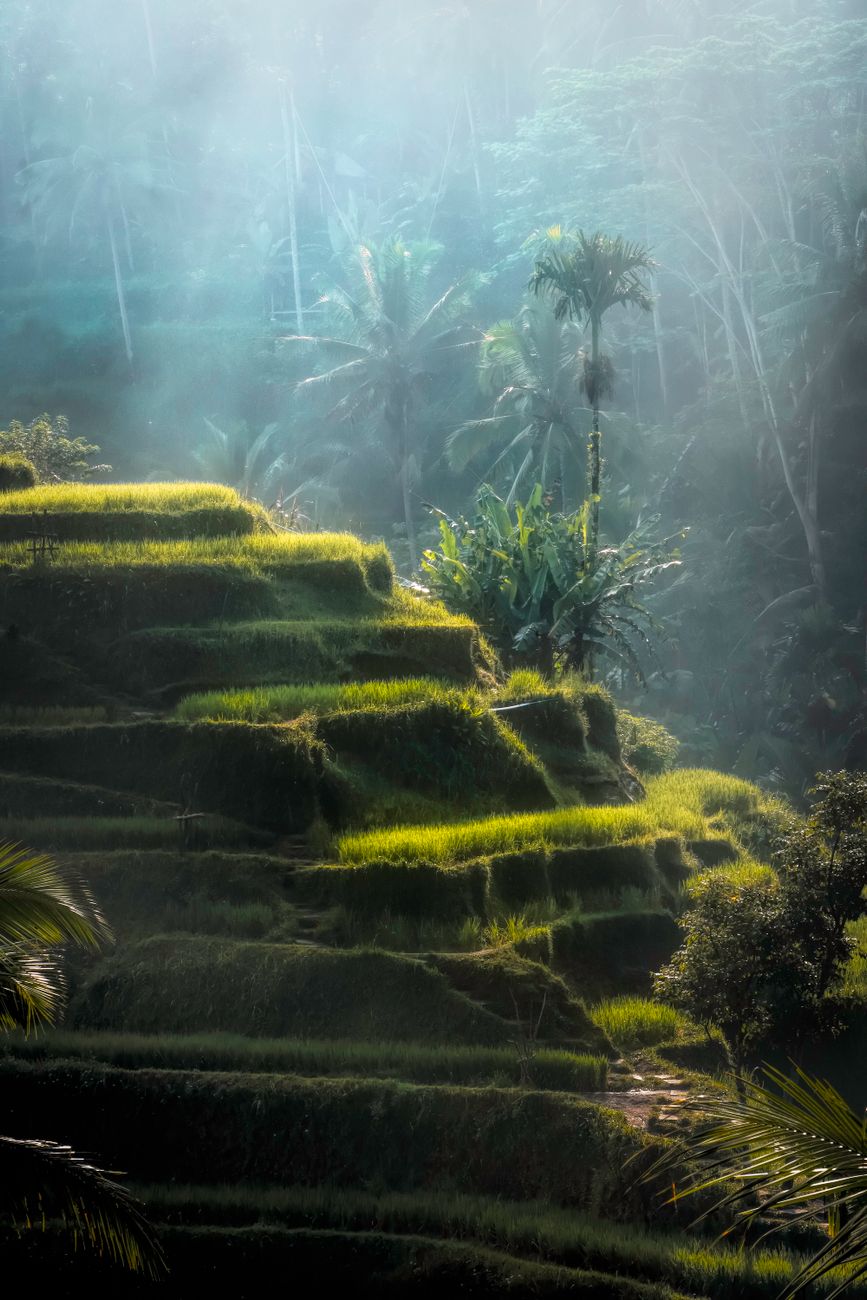
Table of Contents
The road ascends until the humidity of the coastline shears off like worn linen, replaced by crisp mountain air smelling of damp earth and woodsmoke.
1. The Sacred Architecture of Water Canals
In the high ridge settlements of Bali and northern Luzon, agriculture is not merely industry; it is theological engineering. For more than a millennium, village federations have orchestrated the flow of mountain spring runoff through intricate stone aqueducts known as Subak systems.
As you walk along the moss-carpeted earth dykes at daybreak, you hear the quiet percussive music of bamboo water clocks. Every drop is accounted for, shared equally between family compounds according to lunar calendars and temple assemblies.
"To look at the hillside is to see a living manuscript written over twenty generations. No stone is arbitrary; every curve honors the watershed."
2. Fog, Firewood, and Morning Offerings
Before the sun clears the volcanic crater rim, women clad in handwoven sarongs place woven palm baskets filled with frangipani blossoms, raw rice, and sweet incense at the sluice gates. The air holds an almost tangible serenity.
In contrast to the crowded coastal resorts three hours south, here one awakens to rooster calls and the aroma of freshly ground robusta beans brewed over open clay braziers. Time assumes a tactile, measured cadence.
3. Navigating with Mindful Footsteps
Travelers who wish to experience these highlands must honor their delicate social equilibrium. Always hire a village resident guide, dress with reverent modesty when walking along temple reservoirs, and support farmstead co-operatives directly.
Inspired by Highland Sanctuaries?
Inquire about our private itinerary notes, curated stays, and seasonal harvest trails.
Consult With Our Team